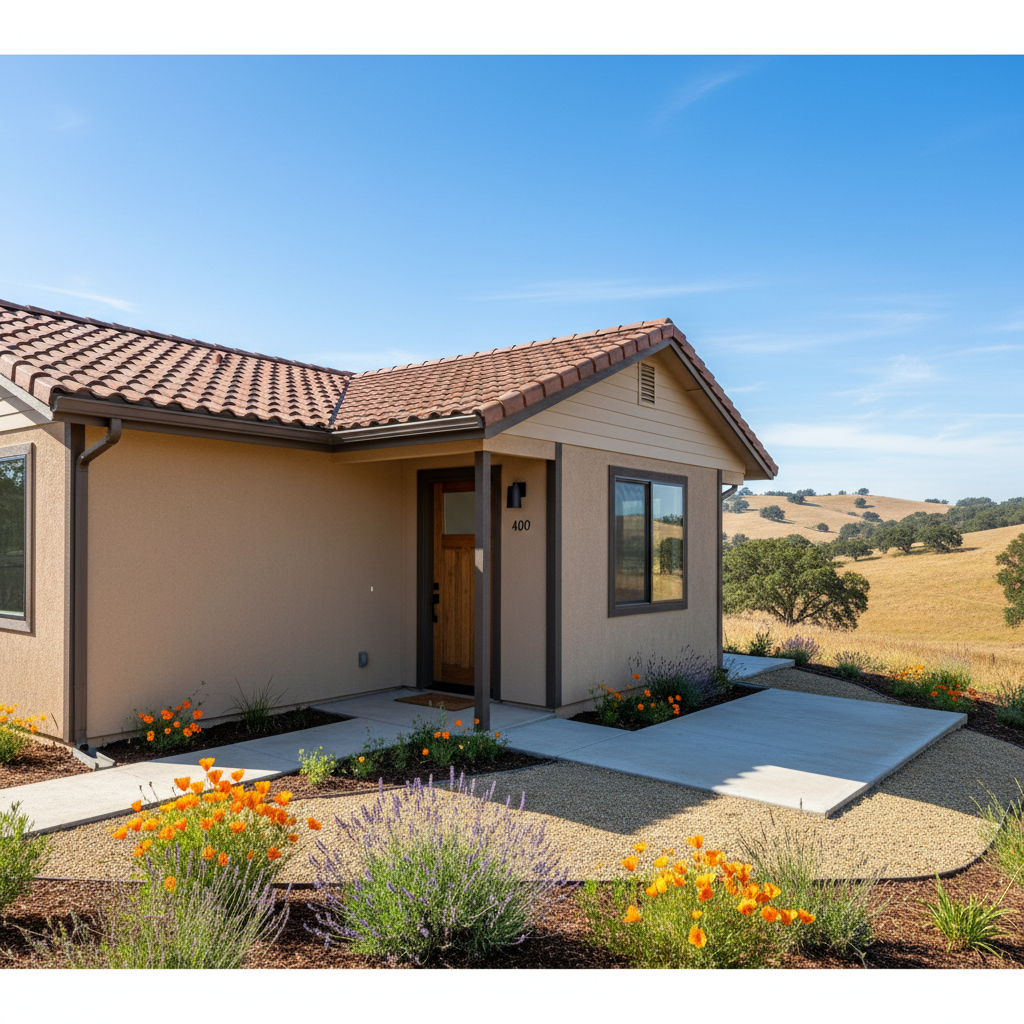
What's an Attached ADU Cost in Oakdale? Let's Talk Numbers.
You're probably wondering, "How much is this really going to set me back?" It's the first question everyone asks, and for good reason. Building an attached Accessory Dwelling Unit (ADU) here in Oakdale isn't a small decision, and the costs can vary a lot. I've seen everything from homeowners getting a great deal to others getting completely fleeced because they didn't know what to look for. Let's break down what you can expect.
When we talk about attached ADUs, we're usually talking about converting existing space, like a garage, or adding a new room that's directly connected to your main house. This usually makes them a bit cheaper than a brand-new detached unit because you're already tied into utilities and don't need a separate foundation, but there are still plenty of moving parts.
What Drives the Price Tag?
There's no single price for an attached ADU, and anyone who tells you otherwise is probably selling something. Here's what really makes the numbers jump around:
- Size and Scope: This one's obvious, right? A 400 sq ft studio conversion is going to cost less than a 1,000 sq ft two-bedroom addition. The more square footage you add or convert, the more materials and labor you'll need.
- Existing Structure Condition: If you're converting a garage, how good is that garage? Does it have a proper foundation? Is the roof sound? Are the walls insulated? If we have to bring an old garage up to current residential code – especially for things like seismic bracing or bringing the slab up to living space standards – that's extra work and money. Sometimes, especially in older parts of Oakdale with homes built in the 60s or 70s, those garages weren't built with the same structural integrity as a living space.
- Finishes and Fixtures: This is where you have a lot of control. Are you going for builder-grade basics or high-end custom cabinets, granite countertops, and fancy tile in the bathroom? These choices can easily swing the cost by tens of thousands of dollars.
- Kitchen and Bathroom: These are the most expensive rooms per square foot to build, hands down. They require plumbing, electrical, specialized fixtures, and more intricate finishing work. If your ADU has a full kitchen and bathroom, expect a significant portion of your budget to go there.
- Site Prep & Utilities: Even with an attached unit, you might need to upgrade your main electrical panel to handle the extra load, or run new sewer lines if the existing ones aren't adequate. Sometimes, especially in areas with older infrastructure, we find surprises when we start digging.
- Permits and Fees: Don't forget these. Oakdale and Stanislaus County have their own fees for plan review, inspections, and impact fees. These aren't negotiable and can add several thousand dollars to your project. They're just part of the deal.
Realistic Cost Ranges for Attached ADUs in Oakdale
Alright, let's get to some actual numbers. Based on what I've seen and built here at Apex ADU, you're generally looking at these ranges for a completed, move-in-ready attached ADU:
- Garage Conversion (Basic Studio/1-Bed): For a 300-500 sq ft conversion with standard finishes, you're probably looking at **$80,000 to $150,000**. This assumes the existing garage structure is in decent shape and doesn't need major overhauls.
- Garage Conversion (Mid-Range/Larger): For a 500-750 sq ft conversion with nicer finishes, or one that needs more structural work, expect **$120,000 to $200,000**.
- New Attached Addition (Basic/Mid-Range): If you're building a brand-new attached structure, say 600-800 sq ft, with standard to mid-range finishes, you're likely in the **$180,000 to $300,000+** range. This is because you're building from the ground up, even if it's connected to your house.
Keep in mind, these are broad ranges. A lot depends on those factors I just mentioned, especially your finish choices. You can always spend more if you want custom everything.
What Should a Good Quote Include?
When you get a quote from a contractor, it shouldn't just be a single number. A good, transparent quote will break down the costs. Here's what you should expect to see:
- Plans & Engineering: Cost for architectural drawings, structural engineering, and energy calculations.
- Permit Fees: An estimate of what you'll pay the city/county.
- Site Work: Any necessary grading, trenching for utilities, or demolition.
- Foundation: If it's a new addition, or significant work on an existing slab.
- Framing: Lumber, labor for walls, roof.
- Roofing: Tying into the existing roof or a new section.
- Exterior Finishes: Siding, stucco, paint to match your main house.
- Windows & Doors: Installation and cost of the units themselves.
- Insulation: Walls, ceiling, floor.
- Drywall & Paint: Interior finishing.
- Flooring: Materials and installation.
- Kitchen: Cabinets, countertops, sink, appliances (sometimes client-supplied).
- Bathroom: Vanity, toilet, shower/tub, tile.
- Plumbing: All pipes, fixtures, water heater.
- Electrical: Wiring, outlets, switches, light fixtures, panel upgrades.
- HVAC: Heating and cooling system.
- Finishing Touches: Trim, baseboards, hardware.
- Project Management & General Conditions: The contractor's overhead, insurance, and profit.
If a quote is vague, push back. You deserve to know where your money is going.
How to Avoid Overpaying for Your Attached ADU
Nobody wants to feel ripped off. Here's my advice:
- Get Multiple Quotes: Don't just go with the first contractor you talk to. Get at least three detailed quotes. Compare them line by line, not just the bottom number.
- Be Specific About Finishes: Before you get quotes, have a good idea of the level of finishes you want. "Standard" means different things to different people. If you can, pick out specific models of cabinets, flooring, etc., or at least price ranges. This helps contractors give you an accurate bid.
- Check References & Licenses: Always, always, always check a contractor's license with the CSLB (Contractors State License Board) and talk to past clients. A good reputation is gold.
- Understand the Contract: Read every word. Make sure it includes a clear scope of work, payment schedule, and change order process. Don't sign anything you don't understand.
- Plan for Contingencies: No matter how well you plan, unexpected things can happen. I always tell clients to budget an extra 10-15% for unforeseen issues, especially with remodels where you don't know what's behind the walls until you open them up.
Building an attached ADU is a solid investment for your property here in Oakdale, whether you're looking for rental income or extra space for family. Just go into it with your eyes open about the costs, and you'll be in a much better position to make smart decisions.