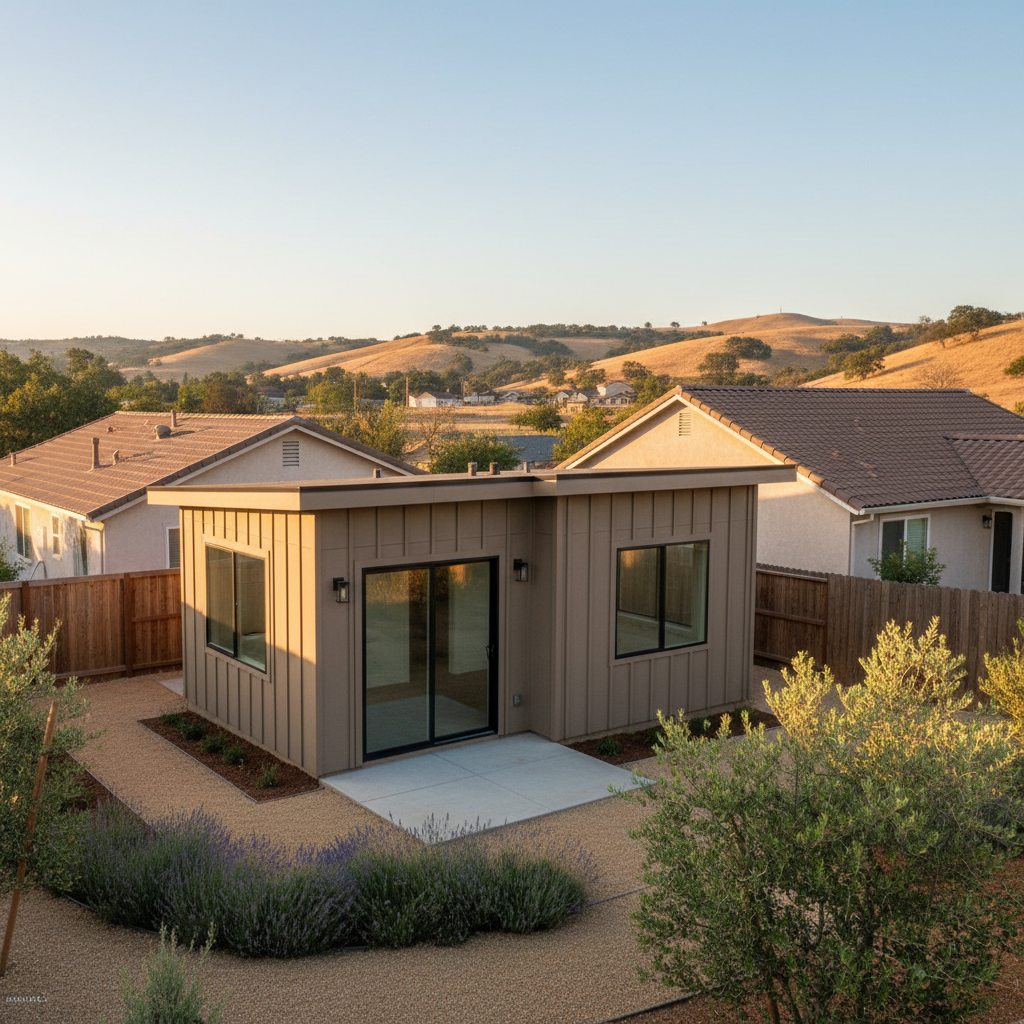
ADU Financing in Oakdale: What Your Money Really Buys
Thinking about adding an ADU to your property here in Oakdale? That's a smart move, whether it's for family, bringing in some rental income, or just for that much-needed extra space. But let's be honest, the first question on most folks' minds is always, "How much is this going to cost, and how am I going to pay for it?" You're definitely not alone there. Sorting out the financing can feel like navigating a complicated maze, but it doesn't have to be.
I've seen a lot of ADU projects come and go over the years, and I can tell you straight up: the cost isn't a simple, one-size-fits-all number. It really depends on a few key things, and understanding those will help you get a handle on your budget and figure out what kind of financing makes the most sense for you.
What Really Drives ADU Costs?
You might think it's just about square footage, right? Well, not entirely. Here's what actually moves the needle:
- Size and Type: A detached, 1,200 sq ft two-bedroom ADU will definitely cost a lot more than, say, a 400 sq ft studio conversion of an existing garage. Generally, you're looking at anywhere from $250 to $450 per square foot for new construction around here. Conversions can be less, maybe $150-$300/sq ft, though sometimes you hit unexpected issues that drive that price up.
- Finishes and Features: Are you putting in basic, builder-grade everything, or are we talking high-end custom cabinets and stainless steel appliances? That choice can swing your budget by tens of thousands. A basic kitchen and bath will save you a bundle compared to luxury upgrades, for sure.
- Site Work & Utilities: This is a big one that often gets overlooked, and it can be a real budget buster. If you need to run new sewer lines a long way, upgrade your electrical panel, or do significant grading because of the clay soil we have in some parts of Oakdale, those costs add up fast. Sometimes you even need to trench across the whole yard to connect utilities, and that's not cheap.
- Permitting & Fees: Don't forget these. They vary by jurisdiction, but you'll have city fees, impact fees, and possibly school fees to deal with. These can easily run from $10,000 to $30,000 or more before you even break ground.
- Design & Engineering: Good plans are worth every single penny. Architects and engineers make sure your ADU is safe, functional, and meets all code requirements. Expect to set aside 10-15% of your total project cost here.
Typical Cost Ranges You'll See
Alright, let's talk numbers. Based on what I've seen in our area, here's a rough breakdown for a newly built, detached ADU:
- Small (400-600 sq ft): For a basic studio or one-bedroom, you're probably looking at $150,000 - $250,000. This assumes standard finishes and average site work.
- Medium (600-800 sq ft): A comfortable one or two-bedroom unit usually falls in the $220,000 - $350,000 range. Again, this is for a good quality build, not luxury, mind you.
- Large (800-1200 sq ft): For a more spacious two-bedroom or even a small three-bedroom, you could be looking at $300,000 - $450,000+. At this size, it's practically a second home.
These ranges include everything from design to final inspection, assuming no major surprises pop up. Conversion projects can sometimes be cheaper, but they often come with their own set of unexpected structural or utility challenges.
What Should a Good Quote Include?
When you're getting estimates, make sure they're comprehensive. A good quote from a reputable builder like Apex ADU should break down costs clearly. It shouldn't just be a lump sum. Look for line items covering:
- Plans & Permits: Design, engineering, permit fees.
- Site Prep: Demolition (if any), grading, foundation work.
- Framing & Roofing: Materials and labor.
- Exterior Finishes: Siding, windows, doors, paint.
- Utilities: Trenching, connections for water, sewer, gas, electrical.
- Interior Finishes: Drywall, flooring, paint, trim, cabinets, countertops, fixtures.
- HVAC & Plumbing: Heating, cooling, water heater, all plumbing fixtures.
- Electrical: Wiring, outlets, switches, lighting.
- Project Management: Supervision, scheduling, quality control.
- Contingency: A good contractor will usually include a small buffer (5-10%) for unforeseen issues.
If a quote is missing these details or seems too good to be true, it probably is. You definitely don't want to be hit with a bunch of change orders later.
How to Finance Your ADU
There are several ways folks typically pay for these projects:
- Cash-Out Refinance: If you have enough equity in your primary home, this is a popular option. You refinance your existing mortgage for a larger amount and take the difference in cash. Interest rates are usually pretty good.
- Home Equity Line of Credit (HELOC): Another equity-based option. It's a revolving line of credit you can draw from as needed, up to a certain limit. This works well for projects with uncertain timelines or phased payments.
- Construction Loan: These are specifically designed for building projects. Funds get disbursed in stages as work progresses and milestones are met. They typically convert to a permanent mortgage once the ADU is complete.
- Personal Loan: Generally, these have higher interest rates and shorter terms, but they can be an option for smaller projects or if you don't want to tie up your home equity.
- ADU Specific Loans/Programs: Some lenders are actually starting to offer products tailored to ADUs. It's worth asking around.
Avoiding Overpaying for Your ADU
Nobody wants to throw money away. Here's how to keep your costs in check:
- Get Multiple Bids: Don't just go with the first contractor you talk to. Get at least three detailed quotes. Then, compare apples to apples.
- Be Clear on Your Vision: The more changes you make once construction starts, the more it costs, plain and simple. Have your design finalized and approved before breaking ground.
- Choose Standard Finishes Wisely: You don't need the most expensive tile or custom cabinetry everywhere. Pick a few areas to splurge and save on others. Good quality standard options look great and save money.
- Understand the Contract: Read every word. Make sure you know what's included, what's not, and how change orders are handled.
- Plan for the Unexpected: Even with the best planning, things can pop up. Having a contingency fund (5-15% of your budget) is crucial. It'll save you a lot of stress if you hit a rock or find an old, unmapped utility line.
Building an ADU is a significant investment, but it's one that can pay off big time, both in terms of property value and quality of life. Do your homework, get solid estimates, and pick a contractor you trust. You'll be glad you did.